Showing posts with label adenium. Show all posts

03 January 2016

SATAY BY THE BAY

cycads and Bachelor's Buttons
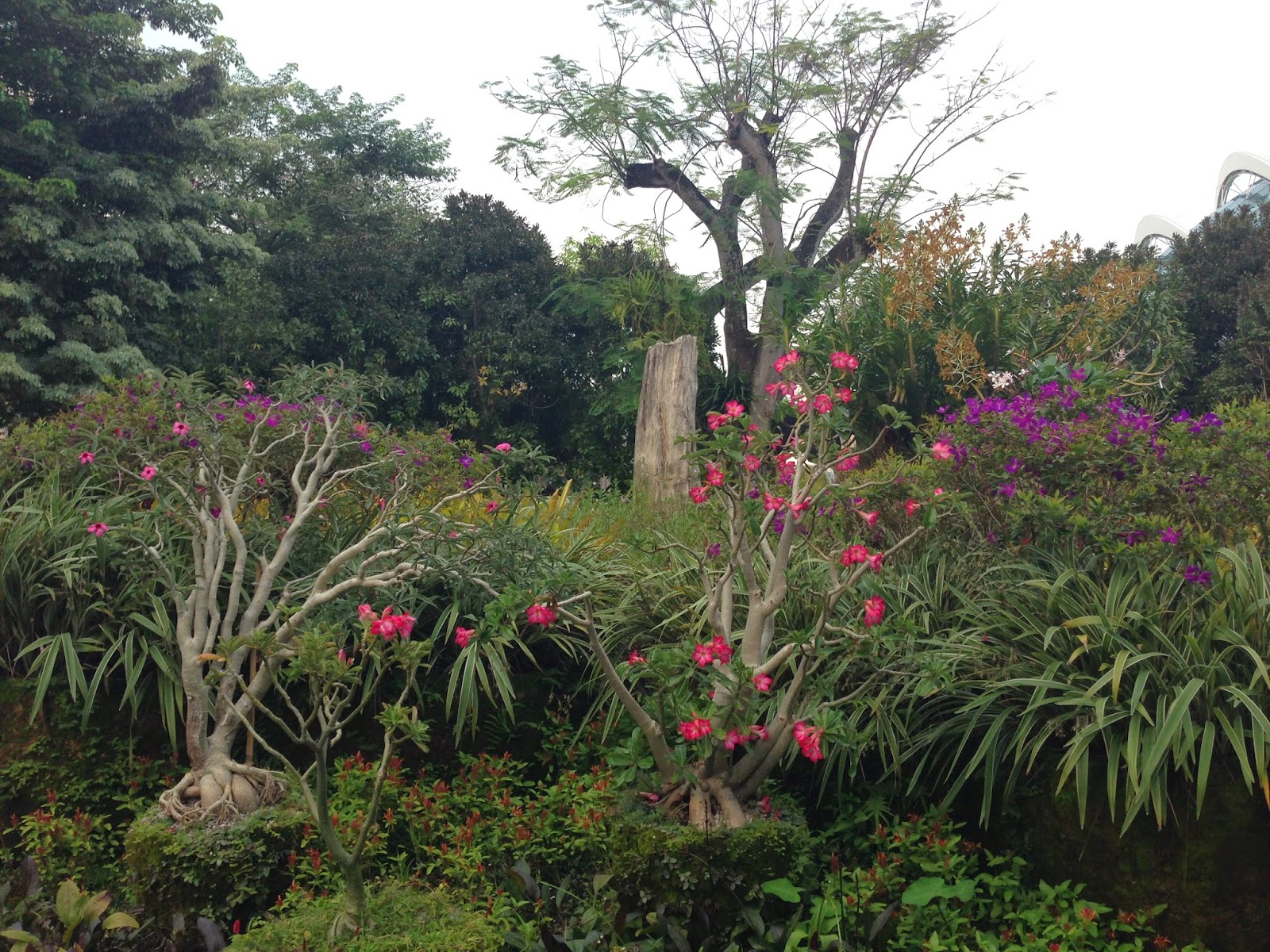
This corner with the dinosaur relic bone, Olea europaea (Common Name: Olive Tree) tree and Cycads has a new lease of life recently and in my opinion, is looking better than before with the Adenium obesum (Common Name: Desert Rose), Euphorbia geroldii (Common Name: Thornless Euphorbia) and Gomphrena globosa (Common Name: Bachelor's Button).
Olive Tree


dinosaur relic


29 November 2014

HUB

The Adenium obesum (Common Name: Desert Rose) and Grammatophyllum speciosum (Common Name: Tiger Orchid) were flowering recently at the Hub.
the beautiful red flowers of the Desert Rose

close-up of the flowers

the Tiger Orchid


closer view of the flowers

25 November 2012

FLOWER DOME - SUCCULENTS AND CACTI

These are an entire range of succulents, including cacti, on the way to and at the Baobab Village. They are growing amazingly well, thanks to the controlled microclimate within the Flower Dome.

I do not know all the names of the plants and I will not attempt to explain everything but here are some of the interesting stuff that I saw:

  • Kalanchoe tomentosa (Common Name: Panda Plant, Pussy Ears; Family: Crassulaceae)
  • Echeveria (Family: Crassulaceae)
  • quartz
  • sparrows on Adenium obesum (Common Name: Desert Rose; Family: Apocynaceae)
  • flowerfield
  • eagle carving from tree trunk and roots
  • Euphorbia punicea (Common Name: Jamaican Poinsettia; Family: Euphorbiaceae)
  • Pelargonium (Family: Gerianaceae)
There are a few photos of a few species of cacti, after the quartz photo, which look like underwater sea anemones. The interesting thing is one can see from these photos how the cacti divide itself in multiples of 2 i.e. 4, 6 and 8.


14 February 2011

MITREPHORA KEITHII

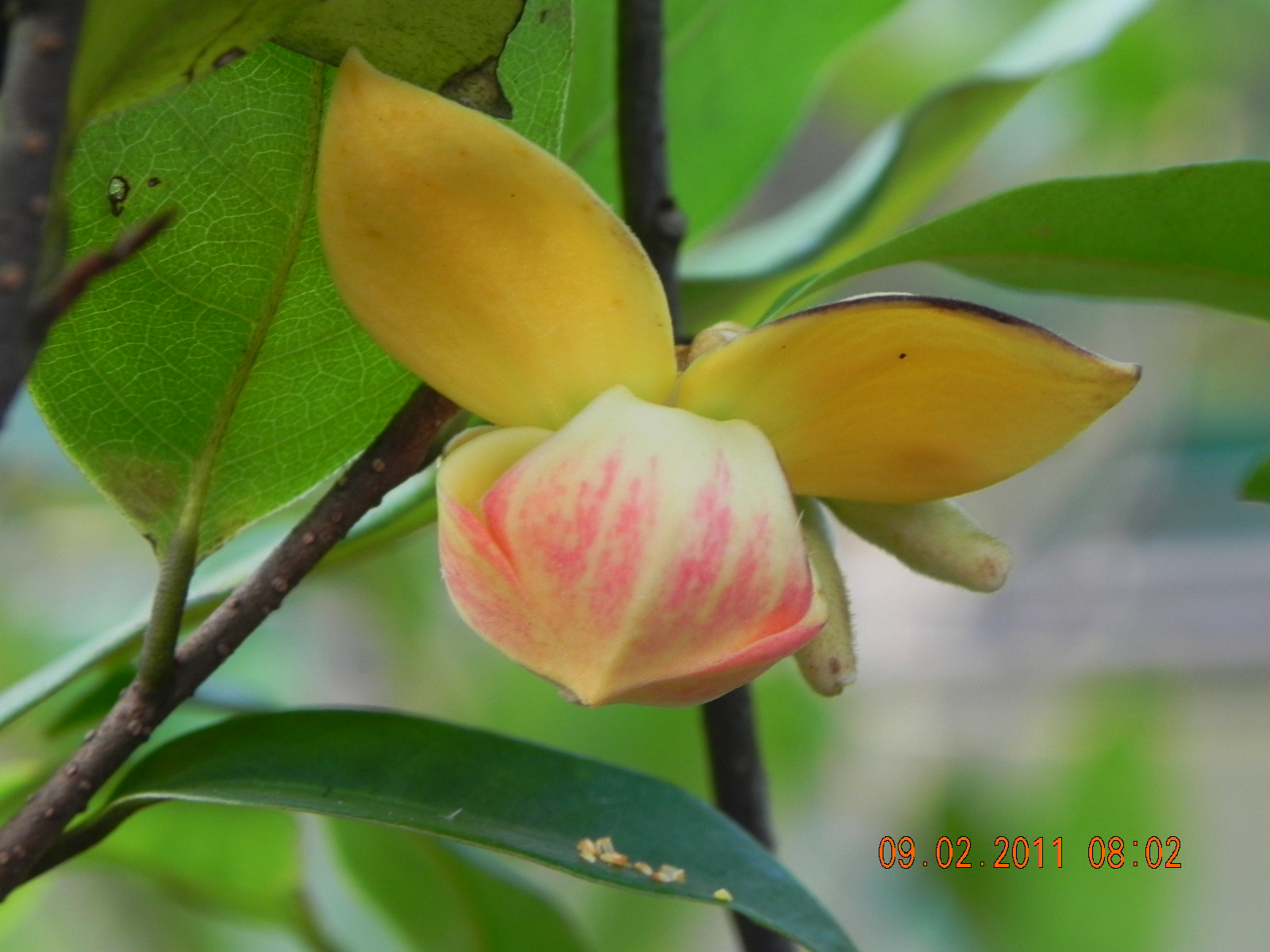
The Mitrephora keithii Ridl. (common name: Siam Adenium; Family: Annonaceae) that I bought from Thailand previously flowered recently. In fact, I bought a few other Mitrephoras and hope the plants would do well enough to flower in due course.

My colleagues have started to marcot the plant to propagate it. The unique flowers and reddish fruits are interesting.