Showing posts with label alpinia. Show all posts

26 March 2016

SG50 SITE

the Lecythis with the pots
It was the first time I explored the landscape area outside the SG50 exhibition site and I discovered some interesting stuff.

There were a few Lecythis ollaria (Common Name: Monkey Pot Tree) trees in that area and one of them was with a lot of monkey pots!

I was also pleasantly surprised to find a raised bed of Alpinia purpurata under full sun. Although the leaves were not a dark green, but they look relatively healthy and carried numerous red inflorescences.

Alpinia under full sun


beautiful bed of red inflorescences


Ficus with fruits


15 October 2013

LANDSCAPE PLANTS

Tecoma stans
Landscaping is a very personal thing because everyone has their own preferences, likes and dislikes. What appeals to one may not appeal to others.

The interesting thing about landscaping is no two individual designs and landscapes are similar, because of the vast palette of plants available to choose from, unless it is a deliberate attempt to duplicate it. Different species and cultivars also have different growth habits and conditions, so it makes a landscape even more personal especially if the owner is involved in picking out the plants for the garden.

Here is a range of flowering and foliage shrubs that I recently recommended for planting although big trees and palms were not included.
Close up of Tecoma stans flowers.
 
Galphimia glauca
Close up of Galphimia flowers

Cuphea hyssopifolia

Close up of Cuphea flowers

Sanchezia nobilis

Caladium bicolor
Codiaeum variegatum

Carphalea kirondron

Close up of Carphalea flowers

Melastoma malabathricum

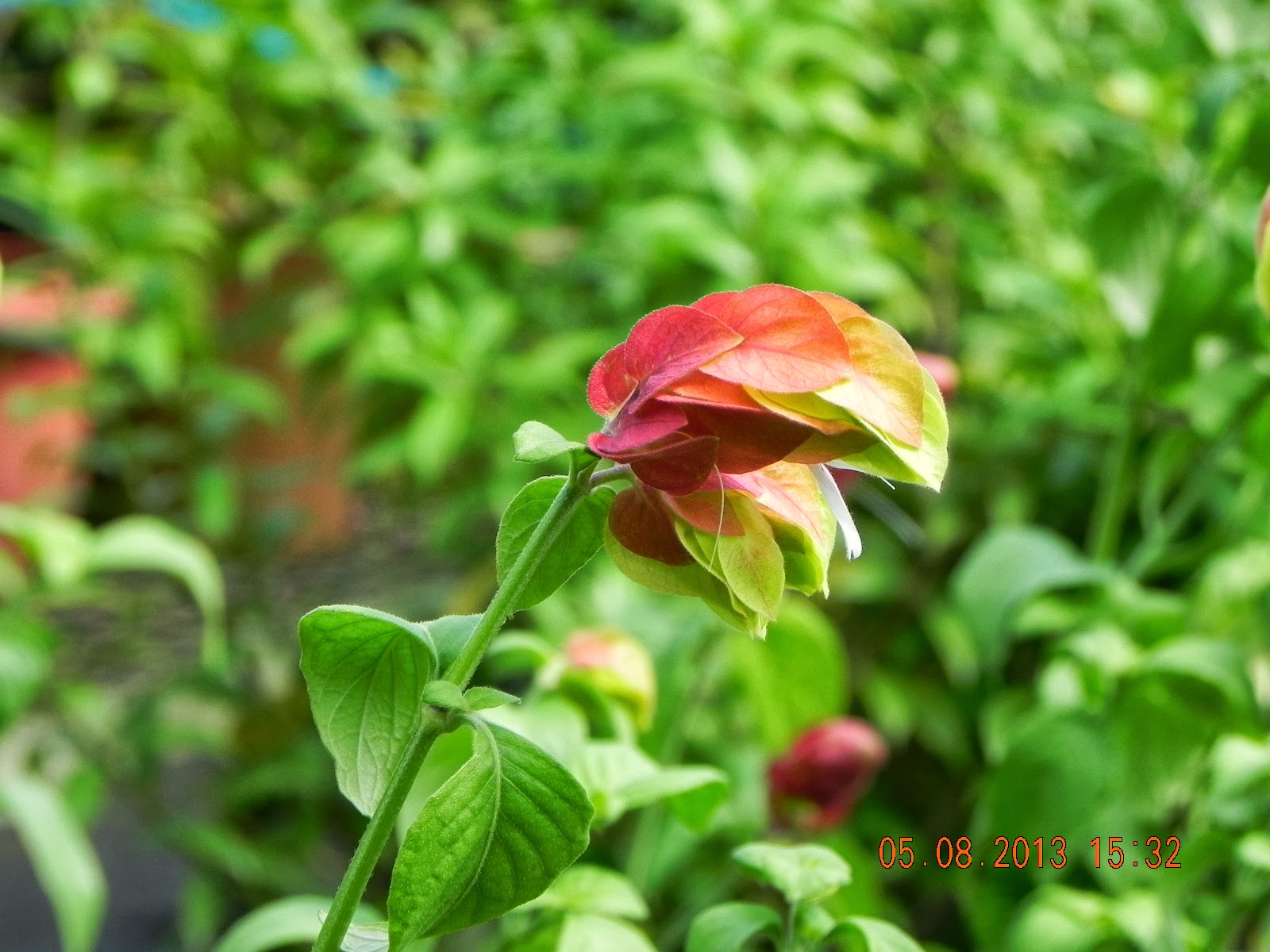
Justicia brandegeeana

Ocimum basilicum

Aglaonema cultivar

Alpinia purpurata

Xiphidium caeruleum


Asystasia gangetica cultivar

Stachytarpheta cultivar

Nymphaea cutlivar

Arachnothryx leucophylla
Tibouchina cultivar

Xanthostemon cultivar

26 August 2012

ALPINIA GALANGA

Yes, this Alpinia is one of the understated beauties of the genera. It should be planted more often in tropical gardens.


03 April 2012

FLOWERS & FRUIT

This is a post on some beautiful flowers.

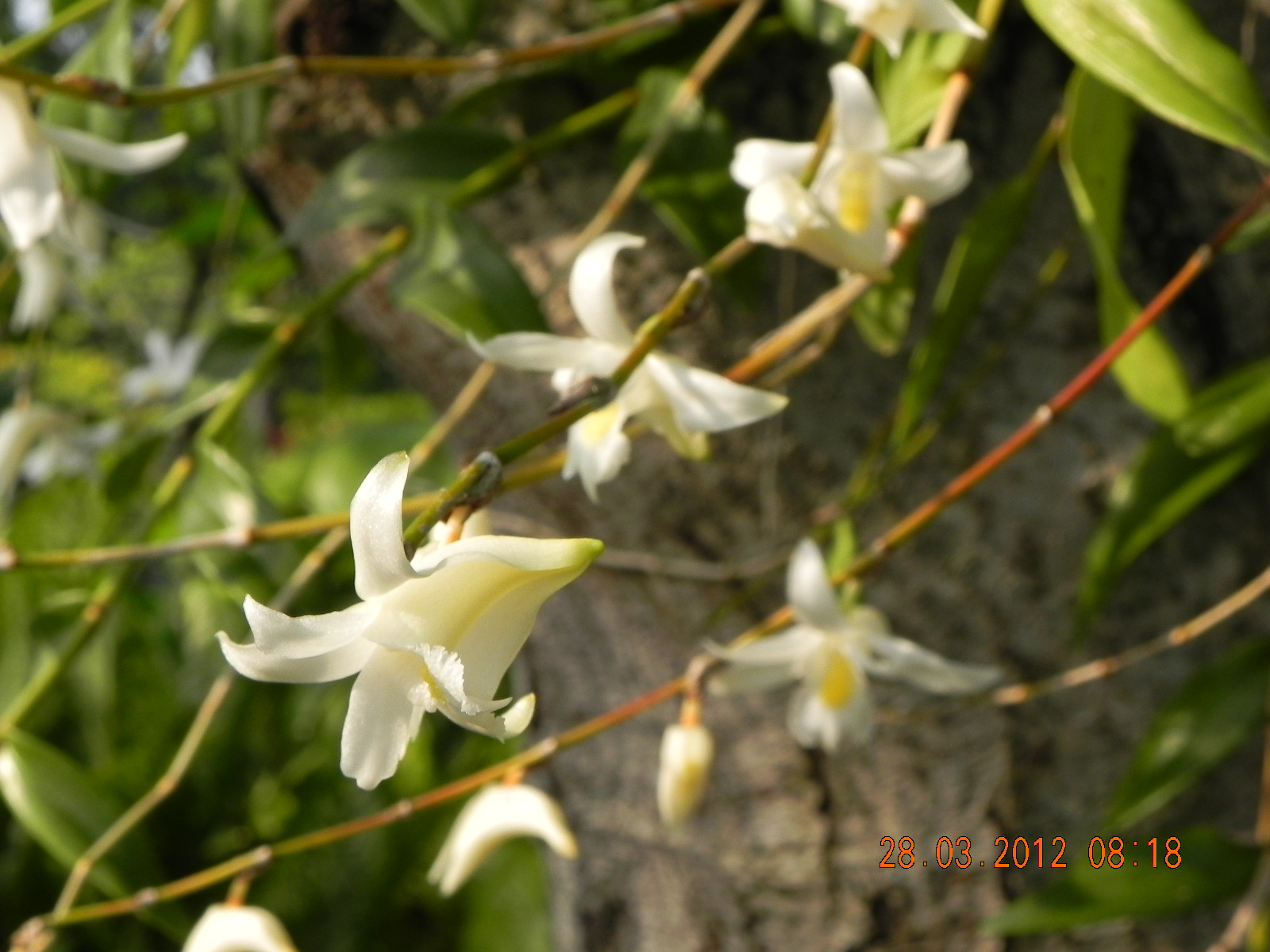
The first is on the relatively common Dendrobium crumenatum (common name: Pigeon Orchid) planted on some of our roadside trees. Just look at the abundant miniature pigeons on the tree. The stimulus for flowering is actually rather similar to that for the Rain Lily. A dry spell followed by rain is all it needs to get it to flower! Sadly, the small virginal white lightly fragrant flowers last only a day. Sometimes, it is true that beautiful things are short-lived.


Then there is the variegated Kopsia with Periwinkle-like flowers, or so I was told. Even though I grew one of this at HortPark previously, I never saw the flowers until recently.


There is the amazingly showy Costus curvibracteatus with the shade of green and orange that I so love! Oh, I just love to eat the juicy orange flowers too and the presence of ants tell me it is safe for consumption. Unfortunately, it can sometimes be a fussy plant that requires tender, loving care. But when it is happy and grown under optimum conditions, it rewards the grower with an abundance of beautiful head of orange bracts and flowers.


At the same time, it was the flowering and fruiting season for the Synsepalum dulcificum (common name: Miracle Fruit, Miracle Berry; Family: Sapotaceae), as observed by the abundant red ripe edible fruits. It was mentioned in the newspapers recently that the fruits were imported from overseas and sold for about $63 for a packet of 100 fruits. Wow, it is really a surprise how much the fruits are valued literally. The chemical compounds present in the fruit temporarily alter the sensitivity of the taste buds so that all sour fruits ingested after eating this miraculous fruit taste sweet. The effect lasts for about two hours, so do not try to eat this fruit before a meal. I was told that a colleague mentioned that a crab he ate at lunch tasted sweet instead of the original taste.


Finally, the two Alpinia plants were competing for my attention with its clusters of brilliant flowers.