20 February 2011

SARACA DECLINATA

This lesser known Saraca declinata at HortPark is quite reliable in its flowering and the 2 small trees along the Broadwalk were blooming spectacularly again. At this size, they are already so showy.

I wonder how long it would take for this slow-growing tree to reach 6 m tall and how beautiful it would look when it is in bloom?

PROPAGATION

I saw some herbs being propagated in a tray of water and expanded clay. It looks quite effective because it prevents the small cuttings from toppling over.

This is actually hydroculture, where plants are grown in a nutrient solution. A link is shown below:

CISSUS

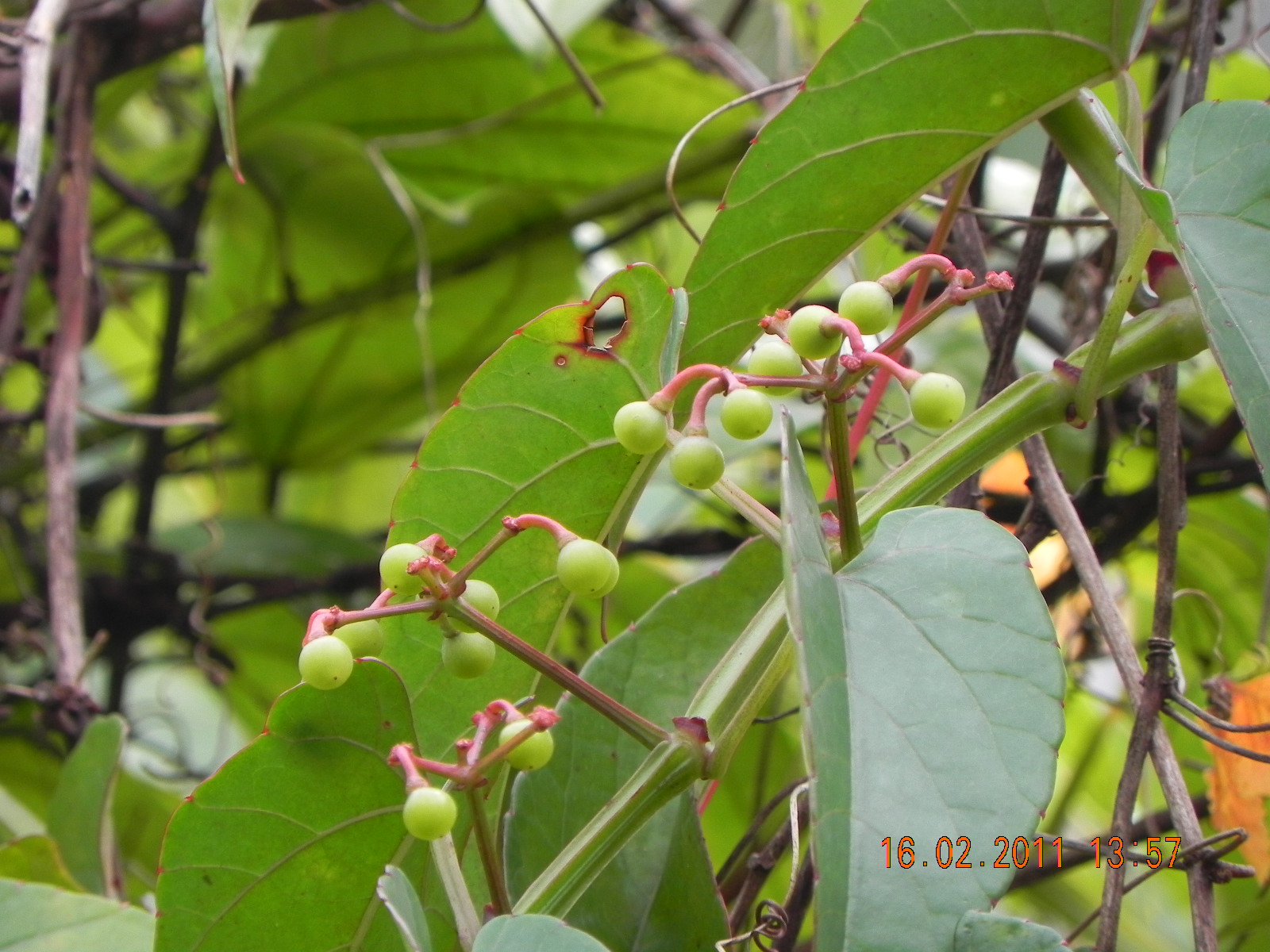
This Cissus from the Vitaceae Family has been growing on the gate for some time now. The leaves have a serrated edge with a reddish tip and red tendrils. The fruits were green and I assumed it has not ripened.


WEEDS

Following up from the last post taken at the HortLawn area, there were lots of weeds growing on the turf grass Paspalum 'Sea Isle 2000'.

The first is a non-ornamental yellow flower Portulaca oleracea (common name: Pigweed; Family: Portulacaceae), which is supposedly a butterfly host plant. The 2nd is a white flower weed although I do not know the identity. The 3rd is the common garden weed Euphorbia hirta (common name: Tawa-tawa; Family: Euphorbiaceae).

Some links are provided below for reference:


AFGEKIA SERICEA

I grew the Afgekia sericea to replace some of the Argyreia nervosa (common name: Elephant Climber, Woolly Morning Glory; Family: Convolvulaceae) because they were not doing well and look how much the former has grown and overtaken the stretch of railings.

I love the texture of the leaves and how it contrast against the bigger-leaved Argyreia and plain white concrete wall.

A link on the latter is shown below:

BARRINGTONIA ACUTANGULA SSP. ACUTANGULA

The mangrove tree Barringtonia acutangula (synonym: B. spicata, Eugenia acutangula; common name: Freshwater Mangrove, Indian Oak, Itchy Tree; Family: Lecythidaceae) is a showy tree especially when it is flowering.

This single specimen planted at HortPark was in bloom recently and the ground around it was littered with all the shed flowers with extended long red filaments and cream coloured anthers.

I mentioned in an earlier post that there is a Barringtonia acutangula and a B. acutangula ssp. acutangula and I am naming this one as such because from the fruits etc, it seems this is not the native one and could be from Australia.

Just look at the pendulous strings of red floral buds and opened flowers. I must admit it was quite a spectacle to see the fully bloomed tree but it was quite a challenge to take the photos.

A few links on the plant are shown below:


SONNERATIA CASEOLARIS

This is a Sonneratia caseolaris (common name: Mangrove Apple; Family: Sonneratiaceae) from mangroves, associated with fireflies. These photos were taken after the rain, and the water droplets can be seen being repelled from the surface of the slightly leathery leaves.

Some links are shown below:


POND

This is a pond that one would see along the road leading to Labrador Nature Reserve. It was created by staff who wanted to try their hand at creating a natural aquatic habitat for dragonflies etc, complete with boulders.

Now in its place is an ecological pond with some interesting flora and fauna. Amongst the more common Cyperus, Typha, Nymphoides etc are the rarer Ludwigia and the yellow flower bladderwort, which is a carnivorous plant, Utricularia aurea (synonym: U. flexuosa; common name: Golden Bladderwort; Family: Lentibulariaceae). The leaf blades of the grass Axonopus compressus (common name: Broadleaf Carpet Grass; Family: Poaceae) are purplish in colour because of the difficulty in absorbing phosphorus under such perpetually wet conditions. This is a great outdoor classroom to learn all about freshwater habitats and ecology.

A few links on the plants are posted here for reference: