Showing posts with label tampines. Show all posts

10 December 2012

STREBLUS ELONGATUS

Commonly known as the Tempinis Tree (Family: Moraceae), this is the tree that gave the town Tampines its name.

When the leaves are plucked, the broken surface exudes a white sap, which is characteristic of plants from this family. The leaf is also interesting in that the veins are yellowish and the base is asymmetrical.

The inflorescence is a down-hanging catkin, made up of many small male flowers and a few female flowers. Upon pollination, the female flower develops into a round fruit that turns red when ripened and are eaten by birds, squirrels and so on.


14 December 2011

CHRISTMAS DECOR

It is that time of the year again. You know Christmas is just around the corner when everywhere you go, you see all the Christmas decor and hear the carols and jingles which help to lift the spirits up.

From the Jurong East IMM to Tampines IKEA to Suntec City, they are all ushering in the festive occasion with the decor.

03 March 2011

TAMPINES ECO-GREEN PART 6

I cannot believe that I actually wrote 6 posts on this park. Even abandoned wooden logs like these has some hidden beauty. The orangey-brown bracket fungus growing from it looks yummylicious.

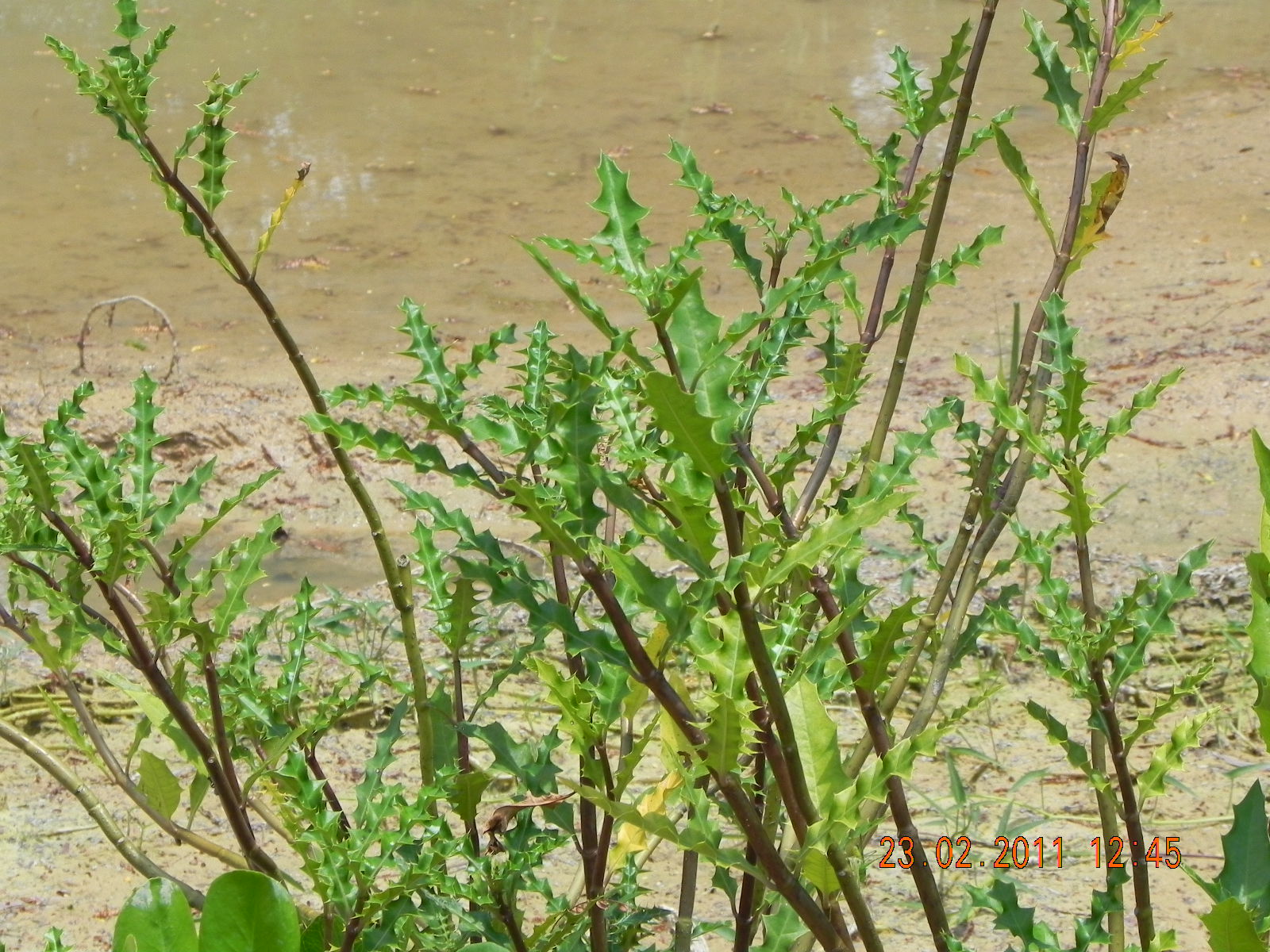
There are 2 different varieties of Cyperus, a Ageratum weed, the Scaevola taccada (synonym: S. sericea, S. fauriei, Lobelia taccada; Family: Goodeniaceae) and Acanthus (common name: Sea Holly; Family: Acanthaceae) shrubs shown here. Links on some of the shrubs are attached below:


TAMPINES ECO-GREEN PART 5

This is another Ludwigia that I noticed. It has smaller flowers and leaves but has pinkish sepals and peduncle. I am sure the few varieties of Ludwigias can be planted in waterlogged areas or at water edges. What a fruitful trip!


TAMPINES ECO-GREEN PART 3

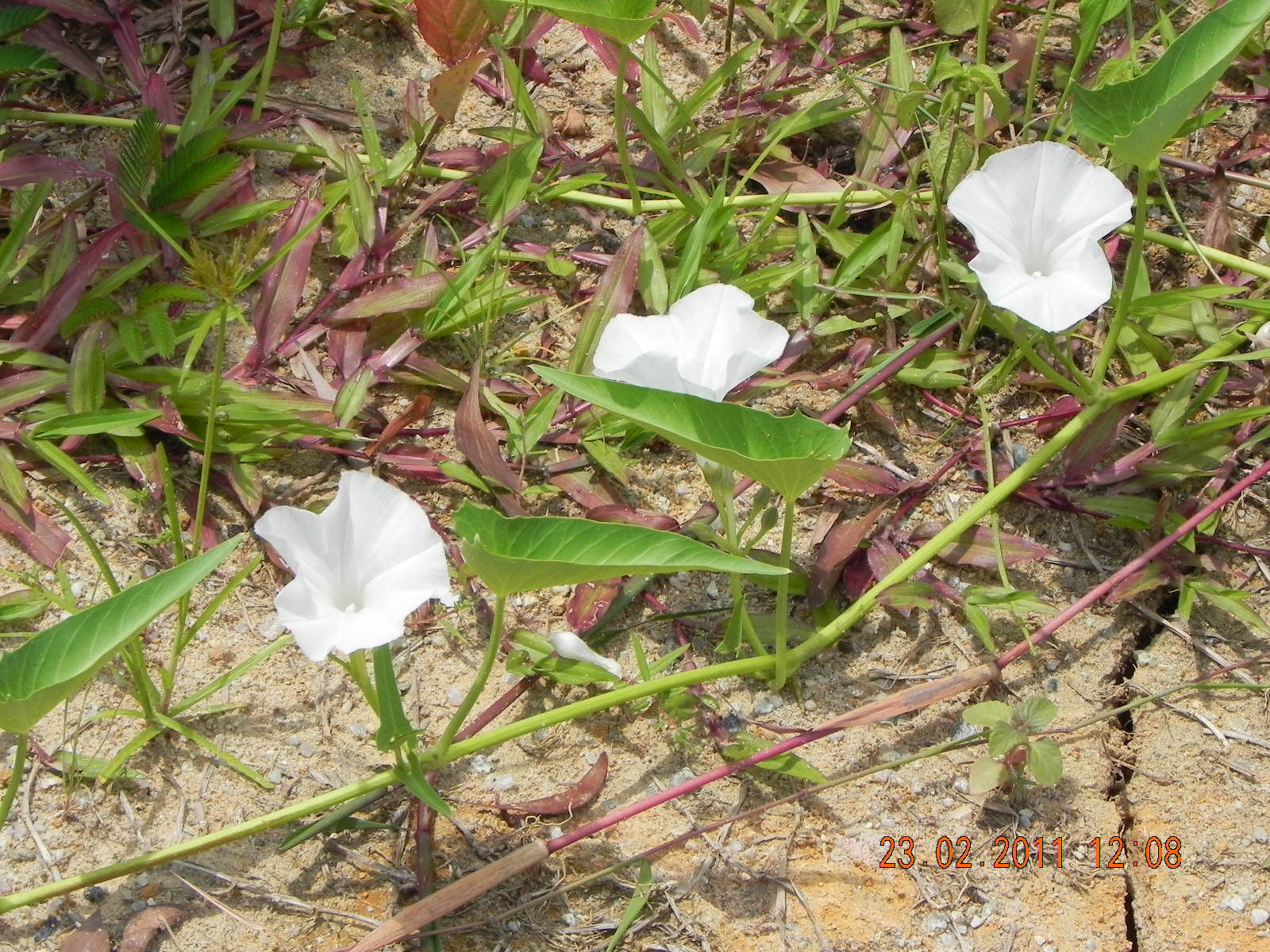
I actually like this park a lot because of the nature theme and natural environment that would support a range of fauna in its multiple habitats. There is also the white flower Kangkong (scientific name: Ipomoea aquatica; Family: Convolvulaceae), an edible vegetable, found on the ground next to a natural dried up pond.

As I ventured deeper in to the park, there were more Ludwigia, other Cyperus plants and the uncommon and native Alstonia spatulata (common name: Siamese Balsa; Family: Apocynaceae) near the water edge. Some links on the plants are shown here: